

Short answer: most documented eyelash serum side effects come from one ingredient class, prostaglandin analogs. They can cause itchy, red eyes, darker eyelid skin and, rarely, a permanent change in iris color. Check the label for names containing “prost”. Serums without them can still irritate, so patch test first.
The box promises longer lashes. It says less about the skin and the eye next to them. The ingredient list tells you most of it, and the Label Scanner below reads it for you.
👁 Lash serum side effects at a glance
- The class that matters: prostaglandin analogs, originally glaucoma drugs. Bimatoprost (Latisse) is the prescription version; cosmetic serums use chemical relatives.
- Documented effects: itching, redness, darker eyelid skin, stray hairs, possible permanent iris darkening, reports of hollowing around the eye.
- How to spot them: names containing “prost”, “cloprostenate” or “prostenolamide”.
- Prostaglandin-free serums: fragrance and preservatives can still irritate.
- Contact lenses: out before you apply, back in after 15 minutes.
What are the downsides of eyelash serum?
It depends almost entirely on what is in the tube. Lash serums fall into two groups. The first contains a prostaglandin analog, a type of molecule developed to lower eye pressure in glaucoma. Patients on these drops grew longer, darker lashes, and the side effect became a product. The second group relies on peptides, panthenol, biotin and hyaluronic acid, and works more like a conditioner.
Nearly all well-documented downsides belong to the first group. The best record is the FDA-approved label for Latisse (bimatoprost 0.03%), the only lash growth product that went through drug approval. In its four-month trial of 278 adults, the most frequent reactions were itchy eyes, red eyes, skin darkening, irritation, dry eye symptoms and redness of the eyelid skin, each in fewer than 4 percent of patients.
| Side effect | What the Latisse label says | Does it go away? |
|---|---|---|
| Itchy or red eyes | Among the most frequently reported reactions in the four-month trial, each in fewer than 4 percent of patients | Usually, after stopping |
| Darker eyelid skin | Reported; expected to increase as long as the drug is used | Reported reversible in most patients |
| Darker iris (brown pigment) | Has occurred; may take months to years to show | Likely permanent |
| Hair where the liquid runs | Possible wherever the solution repeatedly touches skin | Blot excess to avoid it |
| Hollowed upper eyelid | Periorbital fat atrophy with a deepened eyelid crease, reported after approval | Not stated on the label |
Two entries deserve a second look. Iris darkening is rare with a lid-applied product, but the label calls it likely permanent. Periorbital fat atrophy, a slow loss of fat that makes the upper lid look hollow, is well established with prostaglandin glaucoma drops and was added to the Latisse label from reports after approval.
One downside applies to every serum: the effect lasts only as long as you use it.
What are the downsides of using a lash growth serum?
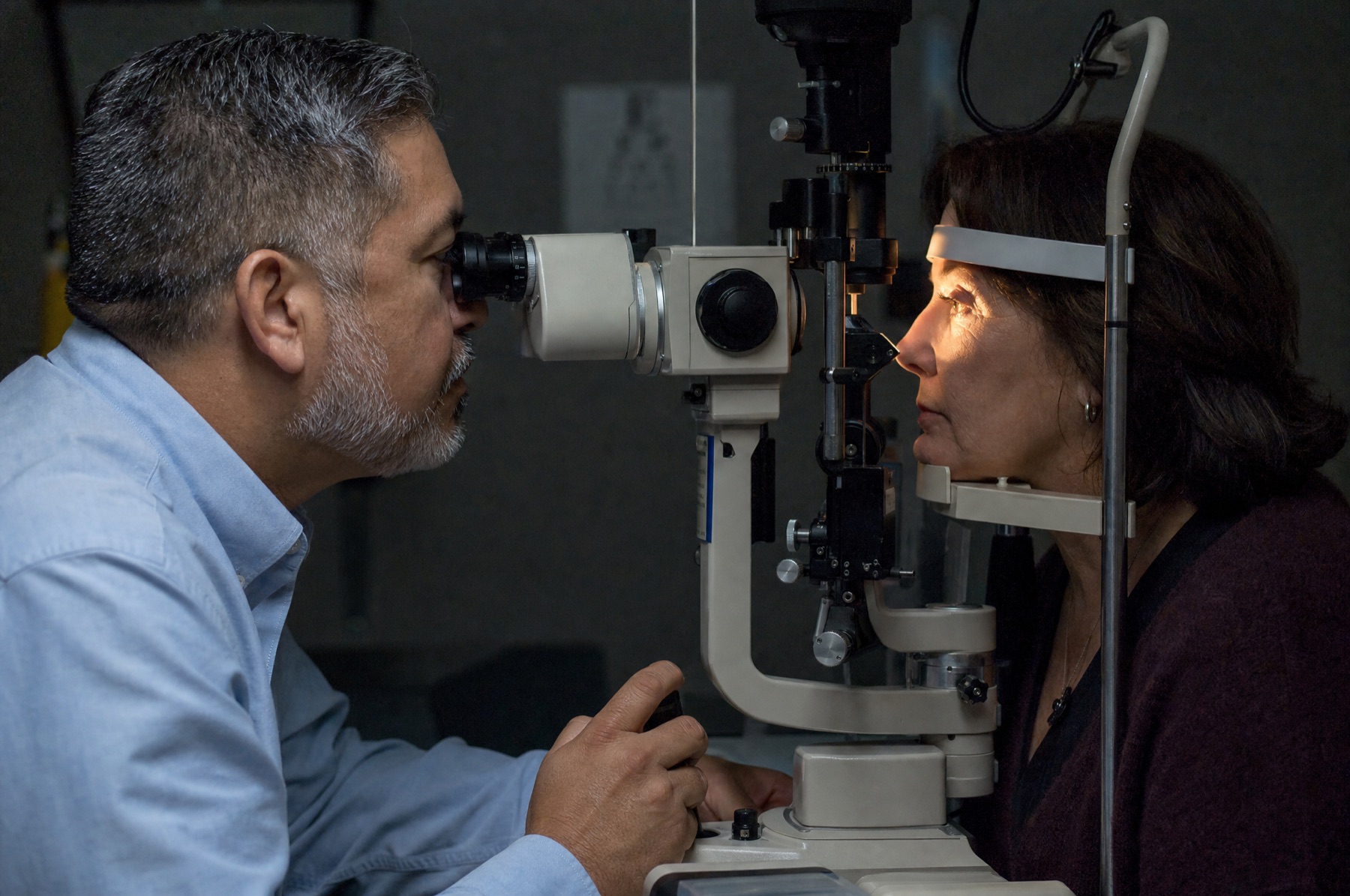
With over-the-counter growth serums, the specific downside is a drug-like ingredient without the safeguards of a drug. Cosmetics are not reviewed by the FDA before sale, and several popular serums contain prostaglandin analogs such as isopropyl cloprostenate or dechloro dihydroxy difluoro ethylcloprostenolamide. There is no prescriber, no package insert and often no warning on the box.
The FDA has noticed. In April 2011 it sent a warning letter to the maker of three lash and brow serums containing isopropyl cloprostenate, stating that the ingredient may cause eye irritation, redness, iris color change, macular edema and eye inflammation, and may interfere with glaucoma therapy. In 2022 a California court approved a $38 million class action settlement over another cosmetic serum with the same ingredient; the company denied wrongdoing and agreed to list reported side effects on its label.
The research is thin but points the same way. A 2022 paper in the Aesthetic Surgery Journal described a 35-year-old woman who developed thin, darker skin and hollowing around the eyes after ten months on a cosmetic serum with isopropyl cloprostenate; it reversed six months after she stopped. Blinded graders then scored manufacturers’ own before-and-after photos, and prostaglandin serums scored clearly higher for signs of volume loss than prostaglandin-free serums or false lashes.
Is Latisse safer than over-the-counter lash serums?
Not in the sense of fewer side effects. Latisse contains the best-studied ingredient of the class, and its label lists every effect in the table above. What it offers is known risk: a tested concentration, a sterile single-use applicator for each eye, and a prescriber who should ask about glaucoma, eye inflammation and pregnancy before you start.
An over-the-counter serum with a prostaglandin analog gives you a related ingredient with little of that. The American Academy of Ophthalmology points out that isopropyl cloprostenate, unlike bimatoprost, is not FDA approved, so its safety has not been established. A 2024 review in the Journal of Cosmetic Dermatology agrees: bimatoprost has by far the most data, other prostaglandin ingredients need more safety studies, and non-prostaglandin ingredients look promising but lack formal evidence.
Want the strongest effect and accept the risks? Do it with a prescription and an eye exam. Want to avoid the class? Pick a serum whose ingredient list shows none of it, and expect a subtler result.
What prostaglandin-free serums can still do wrong
Peptides, panthenol, biotin and hyaluronic acid have no known link to pigment changes or fat loss. That does not make a serum harmless. Eyelid skin is among the thinnest on the body, and the usual suspects for a reaction are the supporting cast: fragrance, certain preservatives, denatured alcohol and plant extracts.
Two habits lower the odds. First, patch test: the American Academy of Dermatology suggests a quarter-sized spot on the inner arm, twice a day for seven to ten days. Second, read claims skeptically; “ophthalmologist tested” says a test took place, not what it found, as we explain in our guide to “clinically proven” and similar label claims.
Are eyelash serums safe with contact lenses?
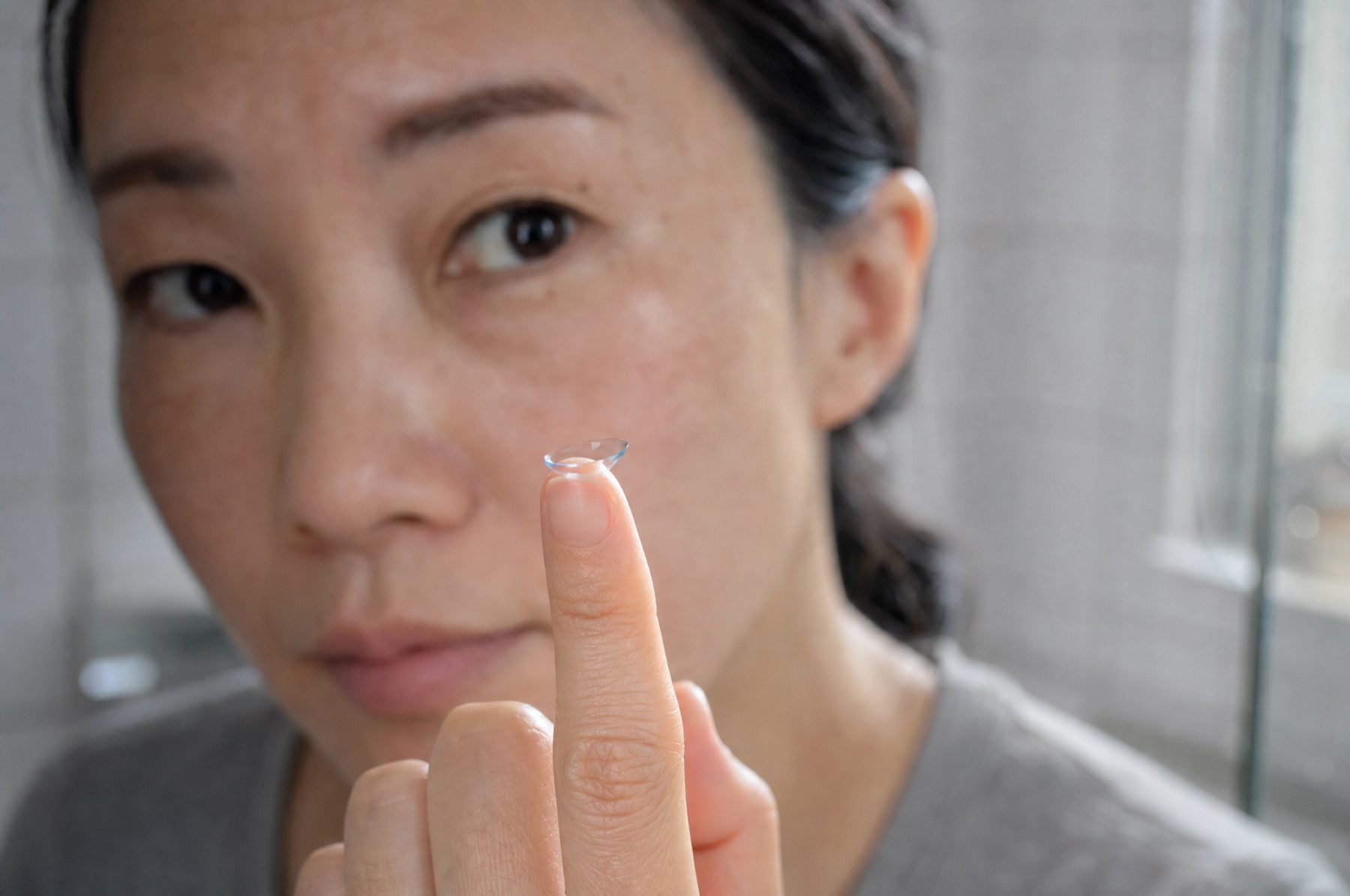
Generally yes, with one firm rule: lenses out first, back in after 15 minutes. That instruction comes straight from the Latisse label, and the reason is the preservative, not the active ingredient. Latisse contains benzalkonium chloride, which soft contact lenses can absorb and which may discolor them.
The same routine makes sense for any lash serum, whatever the brand says about lens wearers. Liquid applied at the lash line reaches the tear film, and a soft lens holds it against the eye for hours. Apply at night, after lenses are out. If your eyes feel gritty in lenses since you started a serum, pause it and see whether that clears.
How to read the label and apply a lash serum safely
Lash Serum Label Scanner: check your ingredient list
Paste the ingredient list of the serum you own or are about to buy.
🔍 Lash Serum Label Scanner
Copy the ingredient list from the box or the product page and paste it below. The scanner looks for the names of prostaglandin analogs and, separately, for a few common irritants. It matches names only. Nothing leaves your browser.
What is the best eyelash serum for sensitive eyes?
There is no single best product. Five criteria follow from the evidence above:
- No prostaglandin analog, confirmed on the box, not just in the marketing.
- Fragrance-free, including essential oils.
- A full, published ingredient list you can read before you buy.
- A short formula, so there are fewer candidates if you react.
- A return policy that covers a failed patch test.
If your eyes are already dry or reactive, common during heating season, settle that first. Our fall skin reset guide covers the routine changes for dry indoor air. With blepharitis, lid eczema or a recent eye procedure, ask your eye doctor before using any serum.
Three prostaglandin-free options if you want to avoid that class
How we compared: on published facts only, meaning ingredient list, format, price and return policy as shown on each brand’s own site. We did not test these products. Prices approximate as of September 2026. Latisse, the prescription reference, belongs to the class these three avoid.
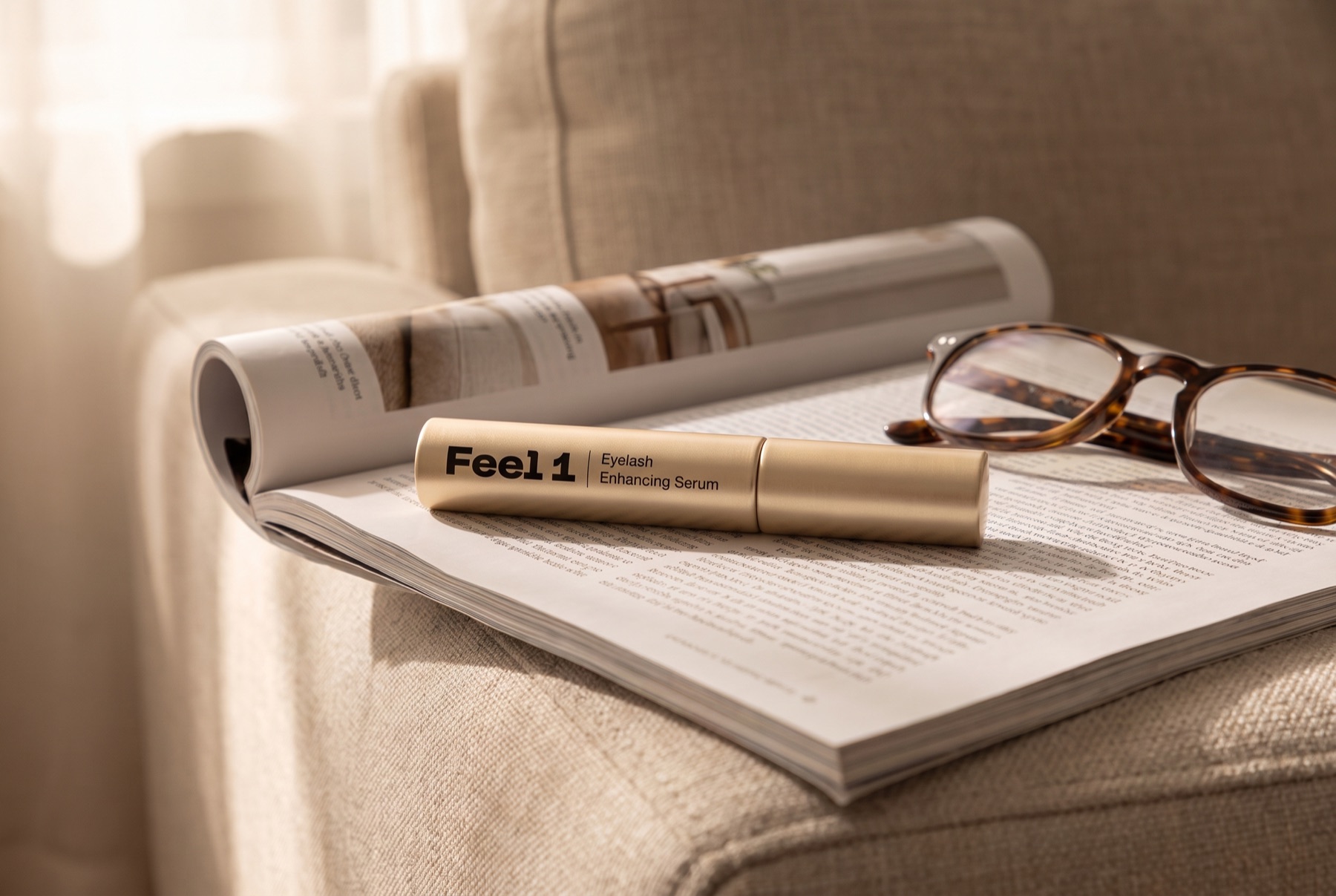
Feel1 Eyelash and Eyebrow Peptide Serum
The plus: the brand states the formula is made without prostaglandins or their analogs and without hormones. It names four actives: a polypeptide complex, hyaluronic acid, biotin and centella asiatica extract.
- One tube for two jobs: the upper lash line and sparse brows, once a day with a fine brush tip.
- A realistic promise. Peptide serums may help lashes look fuller and break less; they will not match a prescription drug.
- A money-back policy, useful for a patch test. Check the current terms.
The catch: the product page highlights the actives rather than a complete ingredient list, so run the list on the box through the scanner above. It costs several times the drugstore option.
Details are on the Feel1 Eyelash and Eyebrow Peptide Serum product page. The brand’s journal also explains why it formulates lash serums without prostaglandins.
Frequently asked questions
Can eyelash serum change your eye color?
Do the side effects go away when you stop?
Can I use lash serum while pregnant or breastfeeding?
Can lash serum cause dark eyelids?
Sources
📚 Sources
- U.S. National Library of Medicine, DailyMed: LATISSE (bimatoprost ophthalmic solution) 0.03%, FDA-approved prescribing information: https://dailymed.nlm.nih.gov/dailymed/drugInfo.cfm?setid=34f83d9d-2c64-463e-8a90-9a460fedfead
- U.S. Food and Drug Administration, Warning Letter to Lifetech Resources LLC, April 18, 2011 (FDA archive): https://wayback.archive-it.org/7993/20170112194314/http://www.fda.gov/ICECI/EnforcementActions/WarningLetters/2011/ucm251951.htm
- American Academy of Ophthalmology, What You Should Know About Eyelash Growth Serums: https://www.aao.org/eye-health/tips-prevention/latisse
- Jamison et al., Do Prostaglandin Analogue Lash Lengtheners Cause Eyelid Fat and Volume Loss?, Aesthet Surg J (2022), PubMed: https://pubmed.ncbi.nlm.nih.gov/35700523/
- Baiyasi et al., Eyelash serums: A comprehensive review, J Cosmet Dermatol (2024), PubMed: https://pubmed.ncbi.nlm.nih.gov/38475901/
- Horváth et al., Periocular discoloration after using a prostaglandin analog for eyelash enhancement, J Cosmet Dermatol (2017), PubMed: https://pubmed.ncbi.nlm.nih.gov/27595988/
- American Academy of Dermatology, How to test skin care products: https://www.aad.org/public/everyday-care/skin-care-secrets/prevent-skin-problems/test-skin-care-products